Sexual Abuse at Summer Camps – Justice for Victims

Jun 3, 2025 | Sexual Abuse

TL;DR: Monsees & Mayer

Summer camps are meant to be safe, enriching experiences for children and teens — places to grow, connect, and build confidence. But tragically, for some, they become environments where sexual abuse occurs.

Whether the abuser is a counselor, staff member, or fellow camper, the effects of sexual trauma can be long-lasting, and oftentimes, life-lasting. At Monsees & Mayer, we help survivors of sexual abuse at summer camps seek justice and healing through civil legal action.

The Hidden Risk at Summer Camps

According to the Child Welfare Information Gateway, settings like overnight and day camps are high-risk environments due to:

  • Lack of standardized background checks
  • Inadequate staff training
  • Isolation from parents or guardians
  • Power imbalances between children and authority figures

Abusers may exploit trust, grooming victims over time or using fear and secrecy to keep them silent.

Can You File a Lawsuit for Sexual Abuse at Summer Camps in Missouri or Kansas?

Yes. Survivors (or their family members if they are a minor) can file civil lawsuits against:

  • The perpetrator
  • The camp, if it failed to protect the child (e.g., negligent hiring, retention, or supervision)
  • Any organization or third party responsible for oversight (churches, schools, franchises)

Both Missouri and Kansas have laws allowing survivors to bring claims — sometimes even years or decades later due to extended statutes of limitations in child sexual abuse cases.

Deadlines for Filing: Statute of Limitations

Missouri:

  • Survivors have until age 26 to file civil claims against responsible institutions or entities for claims of childhood sexual abuse and until age 31 to file civil claims against the perpetrator individually. RSMo. 537.046.
  • For adult victims: 5 years from the date of injury. RSMo. 516.120.

Kansas:

  • Victims of childhood sexual abuse can file civil claims up until age 31, or 3 years after the date of a criminal conviction, whichever is later. K.S.A 60-523.
  • For adults: 2 years from the date of injury. K.S.A. 12-2836

These laws evolve — speak to an attorney immediately to confirm your timeline.

Signs of Abuse at Camp

Abuse often goes unreported. Watch for:

  • Sudden fear or anxiety about returning to camp
  • Nightmares or trouble sleeping
  • Regression or behavior changes
  • Unexplained injuries or withdrawal
  • Reports of inappropriate contact or conversations

It’s never the child’s fault. The responsibility lies with the abuser — and the institutions that enabled them.

How Monsees & Mayer Helps Abuse Survivors

Our firm has decades of experience representing survivors of institutional sexual abuse in Missouri, Kansas, and across the U.S. When you work with us, we:

  • Investigate the camp’s policies, hiring practices, and past complaints
  • Work with trauma-informed experts and survivor advocates
  • Maintain strict confidentiality and compassion
  • Seek financial compensation and systemic change

We understand the emotional toll and work at your pace, always prioritizing the survivor’s well-being.

What Compensation Can Survivors Pursue?

A civil lawsuit may result in compensation for

  • Pain, suffering, and mental anguish or distress
  • Costs for counseling or therapy.
  • Lost wages or ability to earn income.

In addition to compensatory damages, punitive damages may also be awarded to punish and deter reckless or egregious conduct.

No amount of money can undo the trauma — but holding abusers and institutions accountable is a powerful step toward healing and prevention.

Resources for Survivors

You are not alone. These resources offer confidential help:

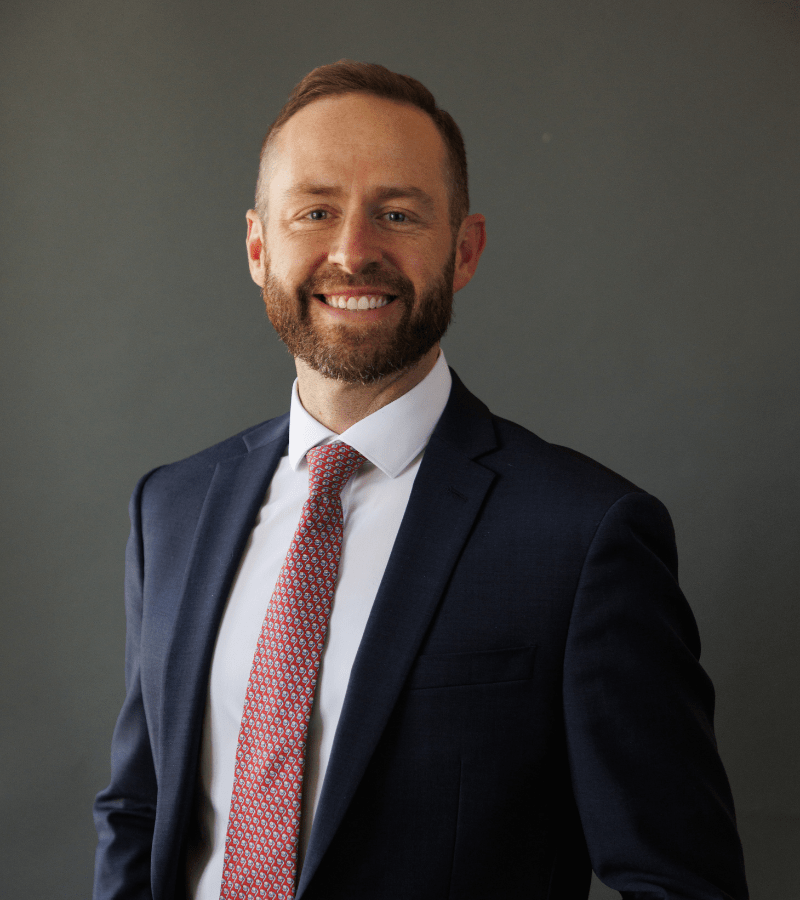
    Chip Lee

    Position: Shareholder

    Office: Springfield

    Born and raised in Springfield, Missouri, Charles (“Chip”) Lee has built his career as a dedicated civil litigation attorney, advocating for victims of sexual abuse, motor vehicle accidents, wrongful death, and other personal injury matters.

    *This blog post is provided for informational purposes only and does not constitute legal advice or create an attorney–client relationship. While Monsees & Mayer strives to ensure the accuracy of the information presented, laws and legal interpretations are subject to change. Content on this site may not always reflect the most current legal developments. For advice regarding your specific situation, please contact Monsees & Mayer directly.

    Our Proven Results

    Witness Statements As Critical Evidence

    Witness statements provide crucial evidence to support claims of sexual abuse. They help establish a timeline of events, reveal details about the abuse, and identify potential suspects. However, witness testimony must be carefully evaluated for accuracy and reliability.

    Interviewing witnesses promptly after the alleged abuse is reported maximizes the chance of obtaining an accurate statement. As time passes, memories can fade or become distorted. Witnesses should be interviewed separately to avoid influencing each other’s recollections.

    Look for witnesses who were present around the time of the alleged abuse and may have observed interactions between the victim and suspect or noticed signs of distress. Teachers, caregivers, family members or neighbors are examples. Their statements can corroborate the victim’s account and provide additional details.

    Evaluate witness credibility by considering factors like:
    • Their relationship to the victim and suspect. Unbiased third parties may provide more objective testimony.
    • Consistency of statements over time. Contradictions may indicate unreliability.
    • Vested interests that could motivate false testimony. Look for witnesses with no obvious agenda.
    • Their opportunity to observe relevant events. Statements from those frequently with the victim and suspect are more credible.
    • Age, mental state, sobriety and other factors that could impact perception or memory.

    Compare witness statements to look for both consistencies and inconsistencies in the details. Consistencies increase reliability while inconsistencies should be explored further. Witness testimony, combined with other evidence like medical reports, can provide persuasive support for claims of abuse. However, no single piece of evidence should be viewed as definitive proof. A preponderance of consistent and collaborative evidence is needed to substantiate such serious allegations.

    How Cell Phone Data Can Provide Crucial Proof

    Digital evidence from cell phones should be interpreted carefully, as there are limitations. Data can be imprecise or misleading, and records may be unavailable or incomplete. However, when used properly, cell phone data provides an objective, factual record that supports or refutes claims made by involved parties. In sexual abuse claims where evidence is often scarce, cell phone data can make a critical difference. By triangulating data from multiple sources, investigators can build a compelling timeline of events to support charges and secure a conviction.

    Call Detail Records

    Call detail records (CDRs) provide the date, time and duration of calls and messages. CDRs are useful for establishing communication patterns between individuals, especially around the time of the alleged offense. An abrupt change in calling behavior could indicate a significant event occurred. CDRs may also reveal the locations of the cell towers accessed during a call, providing further location details.

    Cell Towers

    Cell phones constantly transmit data to cell towers, which creates digital records that provide location information. This data, obtained through a search warrant, can reveal where individuals were during key points in time.

    Cell Site Location Information

    Cell site location information (CSLI) pinpoints which cell tower was accessed by a phone at a given date and time. Although not precise, CSLI can narrow down someone’s location to a few city blocks. By analyzing records over time, investigators can track the general path a person traveled. CSLI is often used to corroborate or challenge statements made by victims, witnesses or suspects regarding their whereabouts.

    Precision Location Information

    More advanced technologies like precision location information (PLI) rely on GPS and Wi-Fi to identify a phone’s location within a few meters. PLI produces a nearly minute-by-minute account of where a phone has been, providing critical evidence for timelines of events. However, legal access to PLI typically requires a search warrant due to privacy concerns.

    Sexual
    Abuse
    Booklet

    Download our free educational booklet to better understand how sexual abuse claims move through the civil court system.

    Other Sexual Abuse posts you may be interested in.

    Troubled Teen Industry

    The “Troubled Teen Industry” is an industry made up of facilities designed to reform young people’s behavior into something more desirable. They include behavior modification facilities, wilderness therapy, boot camps, “tough-love” facilities, and more. Offending...

    read more

    Difference Between a Civil and Criminal Sexual Abuse Case

    There is a difference between a criminal and civil liability case within the justice system. Criminal liability is brought against an individual(s) by the state or federal government in order to protect society, while civil liability is all about the survivor. The attorneys at Monsees & Mayer, P.C. advocate exclusively for survivors.

    Criminal Courts

    The criminal courts are entirely about the criminal; in this case, the sexual abuser. Cases are handled by a prosecuting attorney, and the purpose of the proceedings is to impose fines or prison sentences upon the abuser.

    While some restitution or financial compensation may be awarded to the survivor, the criminal courts are a poor avenue through which to pursue it. This is because the purpose of criminal courts is to protect society as a whole, rather than advocate for individuals’ rights.

    The criminal system’s standard of proof is “beyond a reasonable doubt”; in other words, an individual can only be convicted of a crime if the jury is certain the abuser is guilty. Because of this, there are many morally culpable people who escape criminal liability because of this doubt in proof.

    Civil Courts

    The civil justice system is all about helping sexual assault survivors. Cases are handled by civil attorneys, and the purpose is to obtain compensation for the survivors of sexual abuse. The survivor can seek compensation for the damages they incurred as a result of the sexual abuse: depression, loss of self-esteem or relationships, post-traumatic stress disorder (PTSD), lost income and earnings capacity, medical expenses, and frequently, a lifetime of emotional distress.

    The civil system’s standard of proof is relaxed compared to that of the criminal side. The survivor must prove their case by a “preponderance of the evidence.”  In simpler terms, the jury must “believe” the survivor’s case is more likely true than not; the scales must be tipped slightly in their favor. Therefore, even if an abuser escapes punishment in the criminal courts, they can still be punished within the civil court system.